
How Much Does a Vehicle Wrap Cost in Wisconsin? (2026 Pricing Guide)

A full vehicle wrap in Wisconsin typically costs between $2,500 and $6,500 for a standard passenger vehicle, and between $4,000 and $9,500 for a full-size cargo van or box truck. Partial wraps run roughly 40 to 60 percent of those numbers. The exact figure depends on five things: vehicle size, how much of the surface is covered, the vinyl material, the complexity of the design, and whether the design needs to be created from scratch or supplied print-ready.
This guide breaks down what goes into the price so you can budget accurately and compare quotes across Wisconsin sign companies on apples-to-apples terms. We've been wrapping commercial vehicles in Milwaukee since 2013 and the numbers below reflect actual 2026 Milwaukee-market pricing, not national averages that don't account for local installer rates or our climate.
The five variables that drive vehicle wrap cost
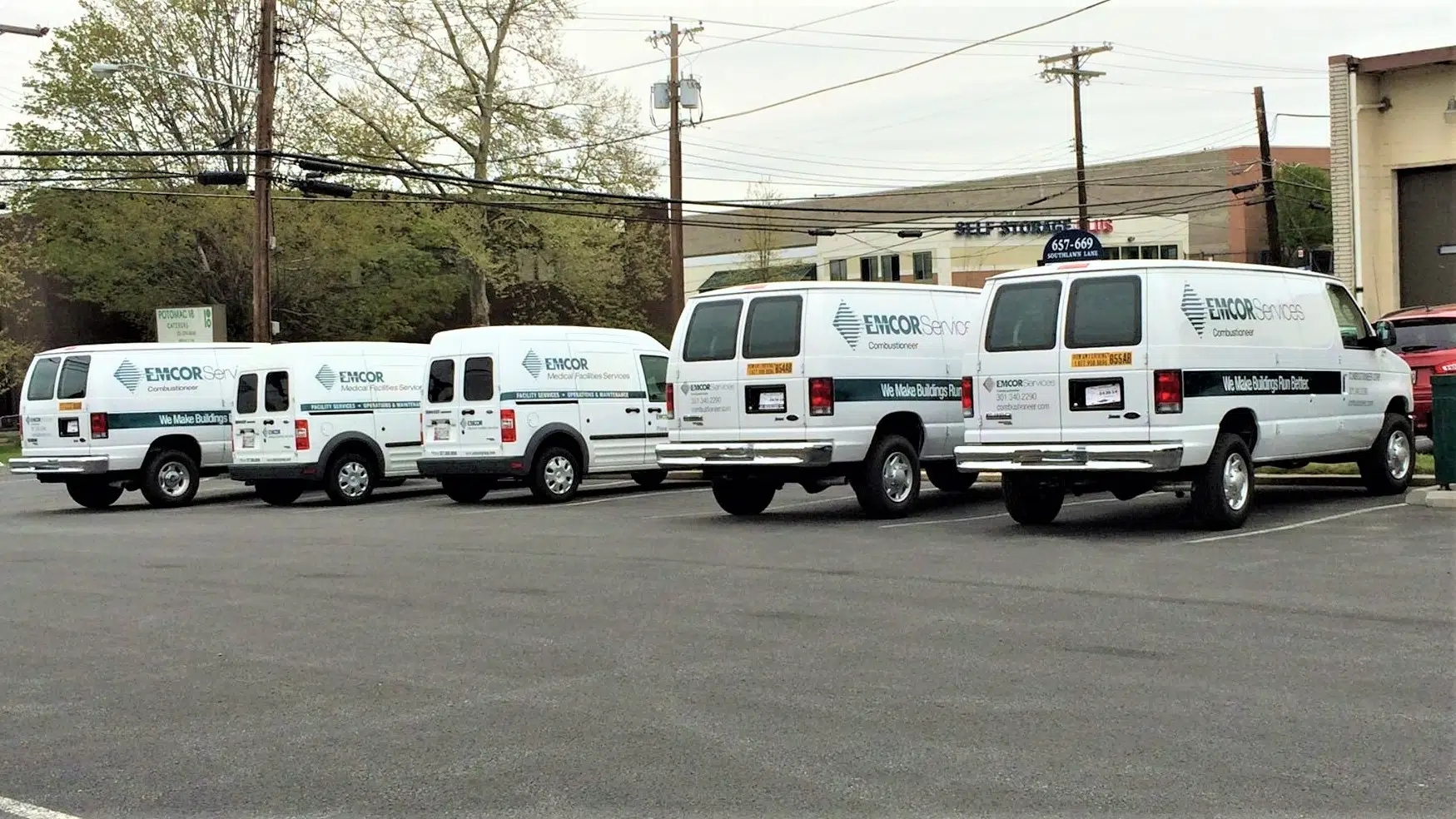
1. Vehicle size and surface area
Surface area is the single biggest cost driver because it determines both how much vinyl you consume and how long the install takes. A standard sedan has roughly 250 square feet of wrappable surface; a Ford Transit cargo van has closer to 600 square feet; a 26-foot box truck can exceed 1,200 square feet. Wrap shops typically price per square foot of installed material, though we and most established Wisconsin shops quote a flat by-vehicle-class rate to keep it simple for fleet buyers.
Typical 2026 Milwaukee-market full-wrap ranges by vehicle class:
- Compact car / sedan — $2,500 to $4,200
- SUV / crossover — $3,200 to $5,000
- Pickup truck (without bed) — $3,500 to $5,500
- Cargo van (Transit, ProMaster, Sprinter standard wheelbase) — $4,000 to $6,500
- Extended-wheelbase van or 14- to 16-foot box truck — $5,500 to $8,000
- 20- to 26-foot box truck — $6,500 to $9,500
- Trailer (24- to 53-foot enclosed) — $4,500 to $11,000 depending on length
2. Full wrap vs. partial wrap vs. lettering
A 'full wrap' covers the entire painted surface of the vehicle — doors, hood, roof, rear, often the bumpers. A 'partial wrap' covers strategic surfaces only, typically the rear quarters and doors, leaving the hood and roof in factory paint. Lettering — also called cut vinyl decals — is the cheapest option and works well for service vehicles that just need a phone number, logo, and license info.
For a standard cargo van, the rough split looks like: lettering $600 to $1,400; partial wrap $2,000 to $3,500; full wrap $4,000 to $6,500. Partial wraps are the value sweet spot for most service businesses — you get most of the visual impact of a full wrap at roughly 60 percent of the cost.
3. Vinyl material grade
Two material decisions matter: the brand and the laminate. Premium cast vinyl from 3M (IJ180mC) or Avery Dennison (MPI 1105) costs more than economy calendared vinyl but conforms cleanly to curves and rivets and is rated for seven to twelve years of outdoor durability. Calendared vinyl is half the material cost but is rated for two to five years, shrinks more in heat, and is more likely to lift at edges in Wisconsin's freeze-thaw cycles.
On top of the base vinyl, a laminate overlay (gloss, matte, or satin) protects the print from UV fade, road salt, and car washes. For Wisconsin vehicles that see winter brining and summer sun, we recommend cast vinyl with cast laminate as a default. The cost premium over economy is typically $400 to $900 for a full wrap and pays for itself in lifespan.
4. Design complexity
Two wraps on identical vans can quote thousands of dollars apart based on design alone. A simple, single-background-color wrap with a logo, phone number, and three taglines might price at $4,000. A photographic wrap with a fade gradient, lifestyle imagery, and multiple-language callouts on the same van might price at $6,500. The vinyl is identical; the design and print-prep time differ.
Design fees are usually broken out separately. Expect $500 to $1,500 for a custom design from concept through three rounds of revisions. If you have a designer who can deliver print-ready, full-bleed vector files at 100 percent scale, you skip this line item entirely.
5. Removal and prep
If your vehicle already has an old wrap or decals, expect $300 to $900 in removal-and-prep labor before the new wrap goes on. Adhesive that's been on a vehicle through more than two winters is often welded to the clear coat and requires heat and chemical removal. We always quote removal separately so you can see what's old-wrap labor and what's new-wrap install.
What a complete vehicle wrap quote should include

When you're comparing quotes from Wisconsin sign shops, make sure each quote is itemizing the same scope. A common reason quotes look wildly different is one shop quotes design-and-print while another quotes install-only. A complete quote should include:
- Vehicle inspection and measurement
- Design (concept, revisions, print-ready file prep)
- Vinyl and laminate (brand, model, finish)
- Printing on a calibrated wide-format printer
- Removal of any existing wrap or adhesive
- Surface prep (wash, alcohol wipe, edge clean)
- Installation in a climate-controlled bay
- Post-install heat-cure and edge-seal
- Written warranty on materials and installation
How long does a vehicle wrap last in Wisconsin?
Cast vinyl with cast laminate, installed correctly and washed regularly, typically lasts seven to ten years on a vehicle that's parked outside in Wisconsin. Calendared vinyl with calendared laminate is more like three to five. Two failure modes are specific to our climate: edge lift from freeze-thaw cycling on vehicles parked outside in winter, and laminate haze from sun exposure on the south- and west-facing surfaces of vehicles that are parked uncovered. Indoor or garage-parked vehicles in our shop's experience get the full rated lifespan; vehicles that live on driveways in Wisconsin winters tend to need touch-up on edges around year five to six.
Vehicle wrap cost in Milwaukee vs. national averages
National wrap pricing aggregators often quote $2,000 to $5,000 for a full van wrap. Those numbers can be misleading for two reasons. First, they're national averages that include low-cost markets with calendared vinyl as a default. Second, they often exclude design fees or print costs and quote install-only. Real installed-and-ready-to-drive cost in Milwaukee, Waukesha, Brookfield, and the surrounding metro is closer to $4,000 to $6,500 for a standard cargo van with a complete scope of work.
Frequently asked questions
How long does a vehicle wrap installation take?
A standard cargo van wrap takes one full working day for a single installer or roughly half a day for a two-person crew, once the printed material is in hand. The bigger driver of total project timeline is upstream: design and revisions usually run five to ten business days, and printing plus laminate cure takes another two to three days. Plan on two to three weeks from signed proof to keys-in-your-hand for a typical commercial wrap.
Will a vehicle wrap damage my factory paint?
Cast vinyl installed over OEM (factory) paint in good condition does not damage the paint and actually protects it from UV fade and minor stone chips. The two situations where damage can occur are wraps installed over aftermarket repaints that haven't fully cured (typically a 60- to 90-day wait is required) and wraps left on a vehicle several years past their material lifespan. We document paint condition with photos before every install.
Do I need to tell my insurance company about a vehicle wrap?
Yes. Most commercial auto policies require you to disclose any modification that changes the visual appearance or stated use of the vehicle. A wrap that converts a personal vehicle to a business-advertising vehicle in particular needs to be reported, since it changes the risk classification. The disclosure itself is usually a quick form and rarely changes premiums materially for service businesses.
Can a vehicle wrap be removed and the wrap reused if I sell the vehicle?
The wrap can be removed cleanly within its rated lifespan, but the vinyl cannot be re-installed on another vehicle. Vinyl is stretched, heat-formed, and adhesive-keyed to the contours of one specific vehicle during install; removal destroys the material's ability to re-conform. If you're selling a wrapped vehicle, removing the wrap typically takes three to six labor hours and runs $400 to $900.
Do you offer fleet financing or staged payment options?
For multi-vehicle fleet projects we can structure staged invoicing — typically a deposit at design approval, a progress payment at print, and balance due on final delivery of the last vehicle. We don't carry financing in-house, but several local equipment-finance lenders treat fleet graphics as a finance-eligible capital expense. We can refer you to the ones we've worked with on prior fleet projects.
Are vehicle wraps tax-deductible for Wisconsin businesses?
In most cases yes — a commercial vehicle wrap is treated as an advertising and marketing expense and is fully deductible in the year it's installed under standard small-business expense rules. Larger fleet wrap projects may qualify for Section 179 or bonus depreciation as a capital improvement, depending on how they're booked. Confirm treatment with your accountant; the wrap invoice itemizes vinyl, install, design, and print so categorization is straightforward.
Ready to get a quote?
We've wrapped service vans, contractor trucks, food trucks, and full fleets across the Milwaukee metro since 2013. If you'd like a no-pressure quote on your vehicle or fleet, you can call us at the number on our contact page or request a quote online. We typically reply within one business day with a written, itemized estimate.