
Fleet Wrap Programs: Budgeting, Scheduling, and Rolling Out Multiple Vehicles
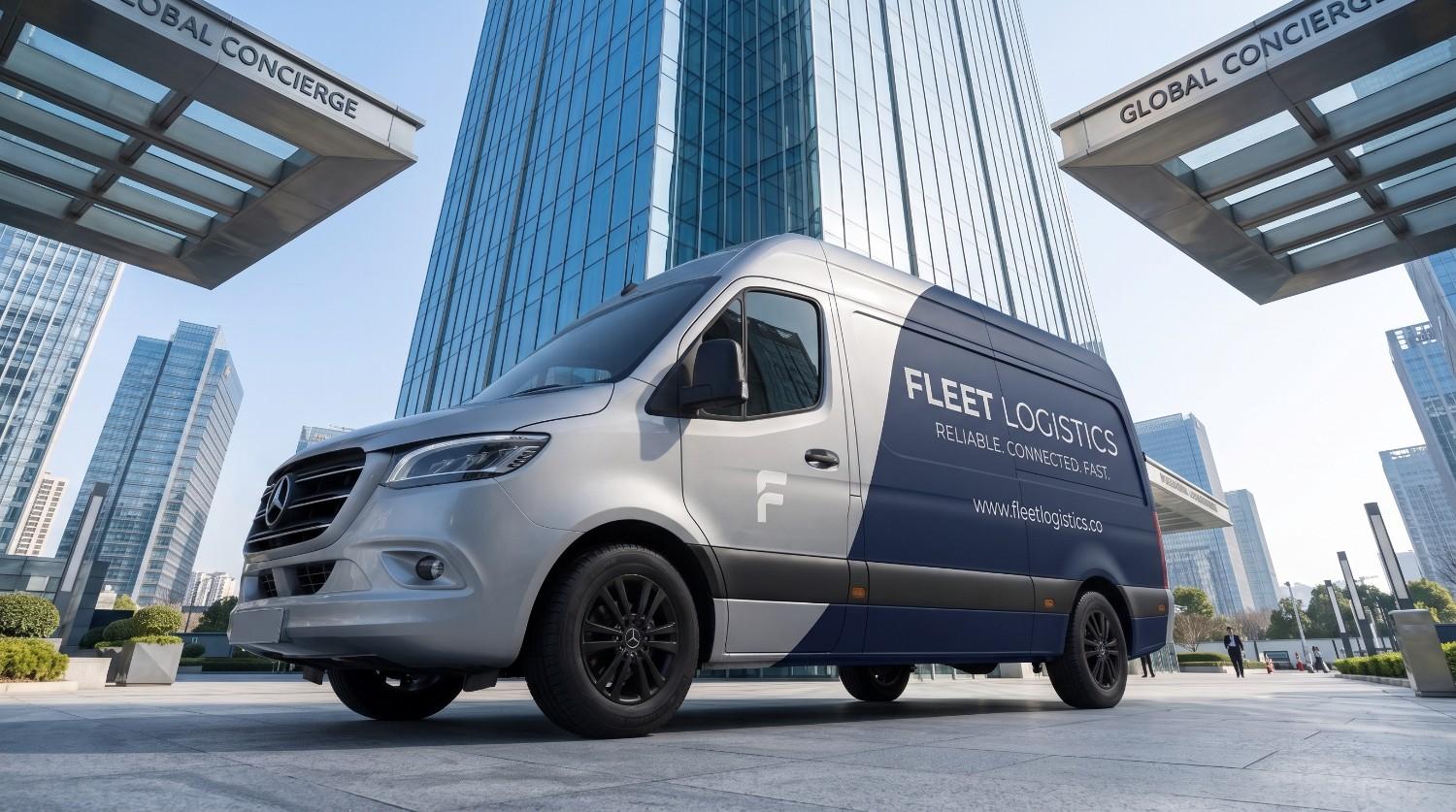
A fleet wrap program is a planned, multi-vehicle branding rollout — budgeted as a single project, scheduled in stages, and built on one design system that scales across every vehicle you own. For most Wisconsin businesses, fleet wrapping costs run between $2,500 and $9,500 per vehicle depending on size and coverage, with installation taking one to three days per vehicle. The difference between a fleet program and a stack of individual wrap orders comes down to planning: sequencing the work, holding the design consistent, and keeping your trucks earning while the rollout happens.
What Makes a Fleet Wrap Program Different from a Single Wrap
Wrapping one van is a purchase. Wrapping eight is an operations project.
When you order wraps one at a time over two years, you tend to end up with drift — slightly different logo placement, a phone number that changed halfway through, three shades of the same brand color because the print runs were months apart. Your fleet stops reading as one company.
A fleet wrap program solves that by locking the design system first, then applying it across vehicle types. You approve one master layout, adapt it to each body style, and print in batches so color stays consistent. You also negotiate the whole scope up front instead of re-quoting every few months.
For contractors, service companies, and distributors across Southeast Wisconsin, that consistency is the entire point. A customer who sees your van in Brookfield on Tuesday and your box truck in Waukesha on Thursday should recognize the same business both times.
Fleet Wrapping Cost: What Wisconsin Businesses Should Budget
Per-Vehicle Ranges
Budget by vehicle class rather than by a single flat number. Based on current Wisconsin pricing:
- Cars and small SUVs: $2,500 – $4,500 for a full wrap
- Cargo vans and full-size vans: $4,000 – $7,500
- Box trucks and larger commercial vehicles: $6,000 – $9,500+
- Trailers: varies widely with length; often the best cost-per-square-foot value in the fleet
- Partial wraps: roughly 40–60% of the full-wrap cost for that vehicle
For a deeper breakdown of what drives these figures, see our vehicle wrap cost guide.
What Moves the Number
Four things account for most of the variance. Coverage is the largest — a full wrap costs substantially more than a partial or a vehicle lettering package. Surface complexity matters more than owners expect: corrugated box truck sides, rivets, deep body seams, and roof racks all add labor. Material grade separates a wrap that lasts five to seven years from one that fails in two. And design work is a one-time cost in a fleet program — you pay to develop the system once, then adapt it per vehicle rather than starting over.
Where Fleet Pricing Beats One-Off Pricing
Volume genuinely helps here, and not only through a line-item discount. Design amortizes across the fleet. Printing in batches reduces setup waste. Scheduling several vehicles into consecutive bay days cuts changeover time. A ten-vehicle program quoted together will almost always land below ten separate orders placed across two years.
Scheduling: Keeping the Fleet Running During Rollout
Realistic Downtime Per Vehicle
Plan on one to three days per vehicle in the shop. A partial wrap or lettering package on a clean van can finish in a day. A full wrap on a box truck with heavy surface complexity runs longer.
Two conditions extend that timeline, and both are worth knowing before you schedule. Vehicles must be thoroughly clean and completely dry before application — arriving straight off a salted highway means prep time gets added to your install. And if a vehicle has been repainted, manufacturers generally recommend letting new paint fully cure before wrapping over it.
Wisconsin Weather Is a Scheduling Factor
Vinyl needs a workable surface temperature to bond correctly, which makes January installs in an unheated space a non-starter. Professional wraps get installed in a climate-controlled bay year-round, so winter work is entirely possible — but shop capacity tightens in spring when everyone decides at once that this is the year. Booking a fall or winter rollout usually means shorter lead times and a fleet that’s already branded when your busy season starts.
Three Ways to Phase a Multi-Vehicle Rollout
All at Once
Best for fleets under five vehicles, or any business timing a rebrand launch. Everything changes on the same date, the messaging is clean, and you’re done. The tradeoff is concentrated downtime — you need spare capacity or a slow week to absorb it.
Phased by Visibility
The most common approach for mid-size fleets. Rank vehicles by how much public exposure they actually get, then wrap in that order. The van running daily residential calls in Milwaukee delivers far more impressions than the truck that shuttles between two yards. Wrapping high-visibility vehicles first means the marketing return starts before the program finishes.
Rolling Replacement
Best for fleets with regular turnover or leased vehicles. New units get wrapped as they enter service, aging ones stay as-is until they cycle out. This spreads cost across fiscal years and avoids wrapping a truck you’re selling in eight months. The catch is a longer stretch of mixed branding, so it works best paired with an interim step — vehicle magnets or basic lettering on unwrapped units keeps the fleet looking intentional.
Designing for a Mixed Fleet
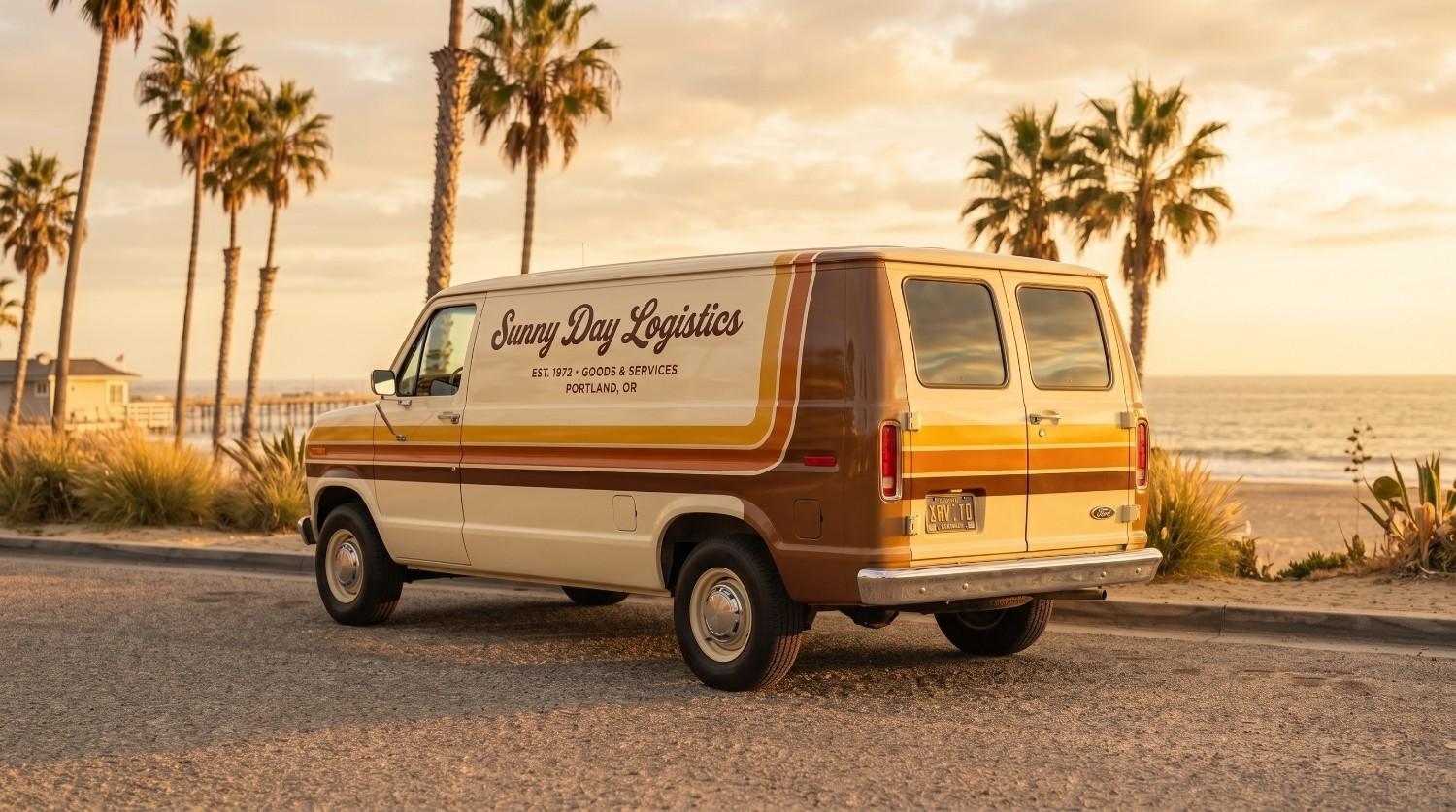
Most fleets aren’t uniform. A typical Wisconsin trades company might run two pickups, three cargo vans, a box truck, and an enclosed trailer — every one a different canvas.
The fix is a design system, not a single design. Establish the fixed elements: logo placement relative to body lines, brand colors, the hierarchy of information, and one consistent phone number and web address. Then adapt proportions per vehicle. Your box truck has room for a full graphic treatment; your pickup doors do not, and cramming the same layout onto both is how fleets end up looking cluttered.
Keep the message short. A vehicle at highway speed gives a viewer three to five seconds. Company name, what you do, and one way to reach you — that’s the whole job. License numbers and service-area details belong in smaller supporting text.
Fleet Wrap Program Planning Checklist
- Inventory every vehicle by make, model, year, and body style
- Flag any unit scheduled for sale, trade, or lease return within 18 months
- Confirm whether leased vehicles have wrap or removal requirements in the agreement
- Rank vehicles by public visibility to set your install order
- Identify which weeks each vehicle can realistically be off the road
- Lock the master design and approve it before any printing begins
- Set a maintenance and replacement expectation for the wraps themselves
Start Your Fleet Wrap Program in Milwaukee
Milwaukee Sign Company handles design, production, and installation in-house, so your fleet rollout stays on one schedule instead of bouncing between a designer, a printer, and an installer. We’ll walk your fleet, map a phasing plan around your operating calendar, and quote the full program up front.
Call (262) 372-4030 for a free fleet consultation, or request a quote online.